



How to Clean Your Dog’s Teeth
Tooth decay is a common source of health problems for dog owners. It is important to learn how to clean your dog’s teeth safely.
Why do you need to provide dog dental care?
Preventing the deterioration of your dog’s teeth is essential for the long-term health of your dog. Teeth that are allowed to become encrusted with tartar and gums that become inflamed are painful and result in bad breath, inappetence and severe gum disease. In addition, bacteria from infected teeth and gums may enter the bloodstream. As a result, they are transported to other body parts, causing severe damage to vital organs such as the heart valves and kidneys.
How do you train your dog to accept dental care?
By conditioning your dog from an early age to accept teeth brushing, you can help remove plaque before it develops into bacteria-harbouring tartar. With lots of positive reinforcement training, this need not be traumatic. However, it is essential not to make it a negative experience, resulting in resentment, as there are other alternatives if your dog strongly objects to brushing.
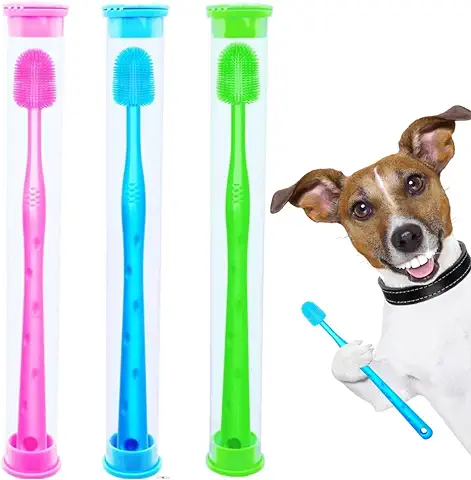
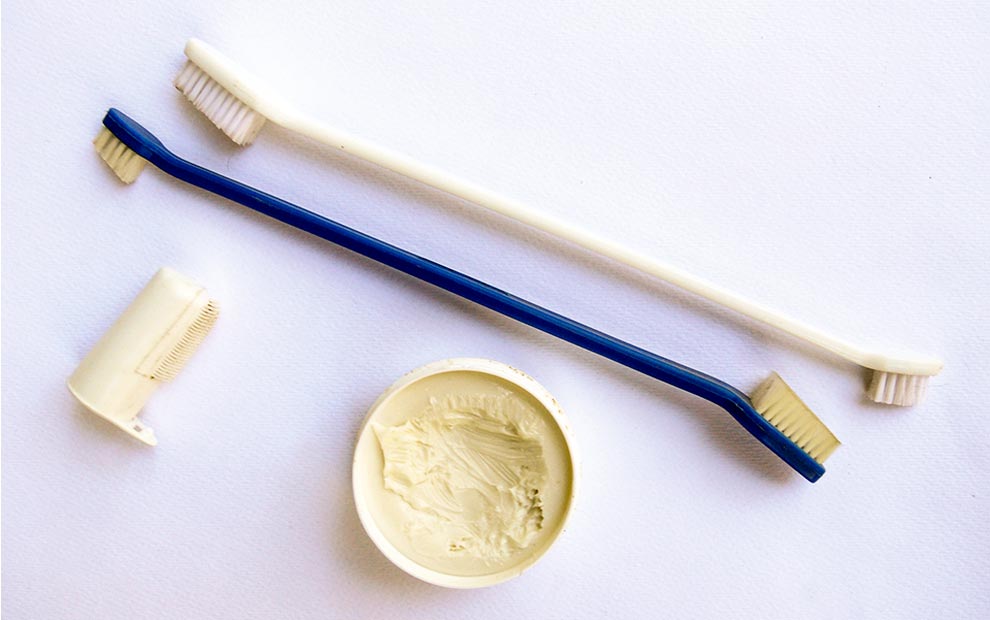
Only use edible toothpaste specially made for dogs with a special dog toothbrush or a finger brush. No one should swallow human toothpaste, and it is unlikely that even the cleverest dog will master the rinse and spit procedure needed with human toothpaste. Most vet nurses or technicians will happily spend time with you demonstrating how to brush your dog’s teeth, usually as part of the ‘over the counter service’. Old dogs can learn new tricks, and it is never too late to start brushing their teeth. (It just may take them a little longer to get used to the process).
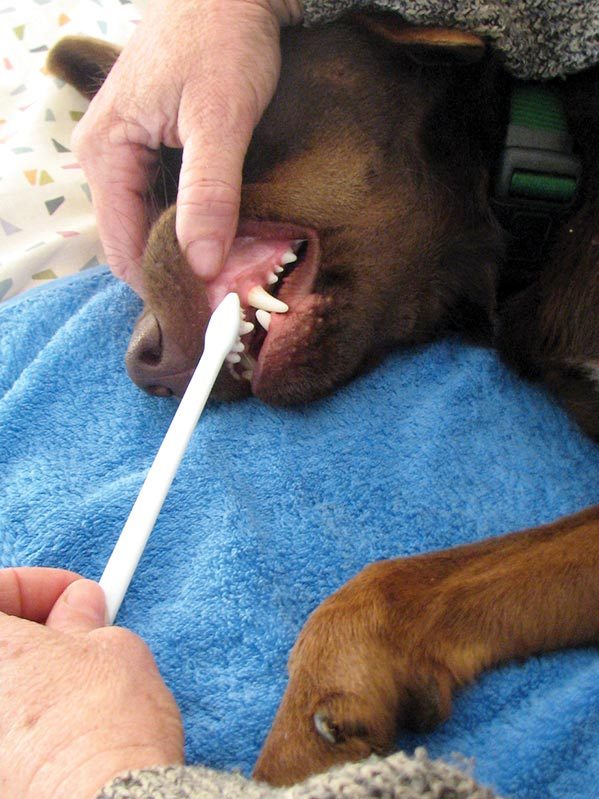
Start by placing some dog toothpaste on your finger and letting your dog lick it. Then put some toothpaste on either a small piece of gauze or a soft rubber finger brush and gently lift your dog’s lips so you can access the teeth. Next, rub the gauze or brush in a circular motion over the teeth and gums very gently, always praising your dog for cooperating. When your dog has accepted this, you can progress to using a dog toothbrush. Remember to make it a happy and positive process with a big reward at the end!
It is important to note that if your dog already has tartar build-up on the teeth, home cleaning will not remove this. Your veterinarian will require a full scale and polish under anaesthetic to remove tartar. However, you can prevent further build-up by regular cleaning at home once removed.
Healthy ears should be clean and have no redness or odour.


How often is it necessary?
Ideally, brush your dog’s teeth every day. However, if you can’t do this, twice-weekly should still help improve your dog’s dental hygiene.
What else can you do to improve your dog dental care?
You can maintain your dog’s teeth in a healthy condition by using appropriate dental chews and diet. Due to the abrasive effects of feeding dry food, these diets can help reduce the likelihood of periodontal disease. In addition, rawhide chews, raw bones in moderation, and special dental chews can help exercise the gums and remove plaques.
Once plaques have developed into hard brown tartar deposits, they can no longer be removed by brushing. However, early intervention by a veterinarian can help remove these before more serious damage to the teeth occurs and infection results.
Signs of early periodontal disease include redness of the gums, foul-smelling breath and brown tartar deposits. Remember that a dog with a painful mouth is less likely to eat well but is more likely to bite due to the pain it is experiencing. Extensive dental work will require a general anaesthetic and can be very costly. An early preventative dental care program is far more cost-effective and can avoid unnecessary suffering in your dog.
Share this
More health Articles >
Related Reading



SHOP DOG PRODUCTS
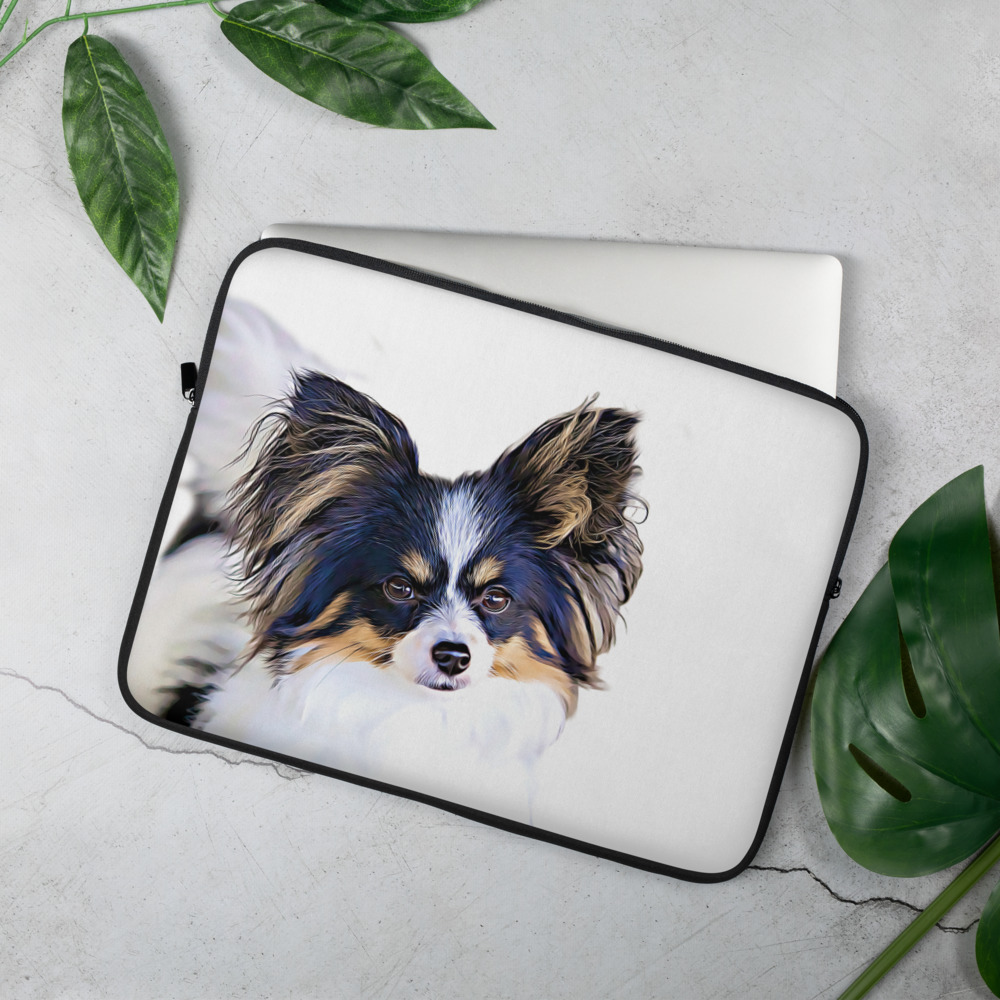
Papillon laptop sleeve
A laptop sleeve featuring a cute Papillon. The perfect gift for lovers of the Papillon dog breed. SHOP >
FURTHER READING
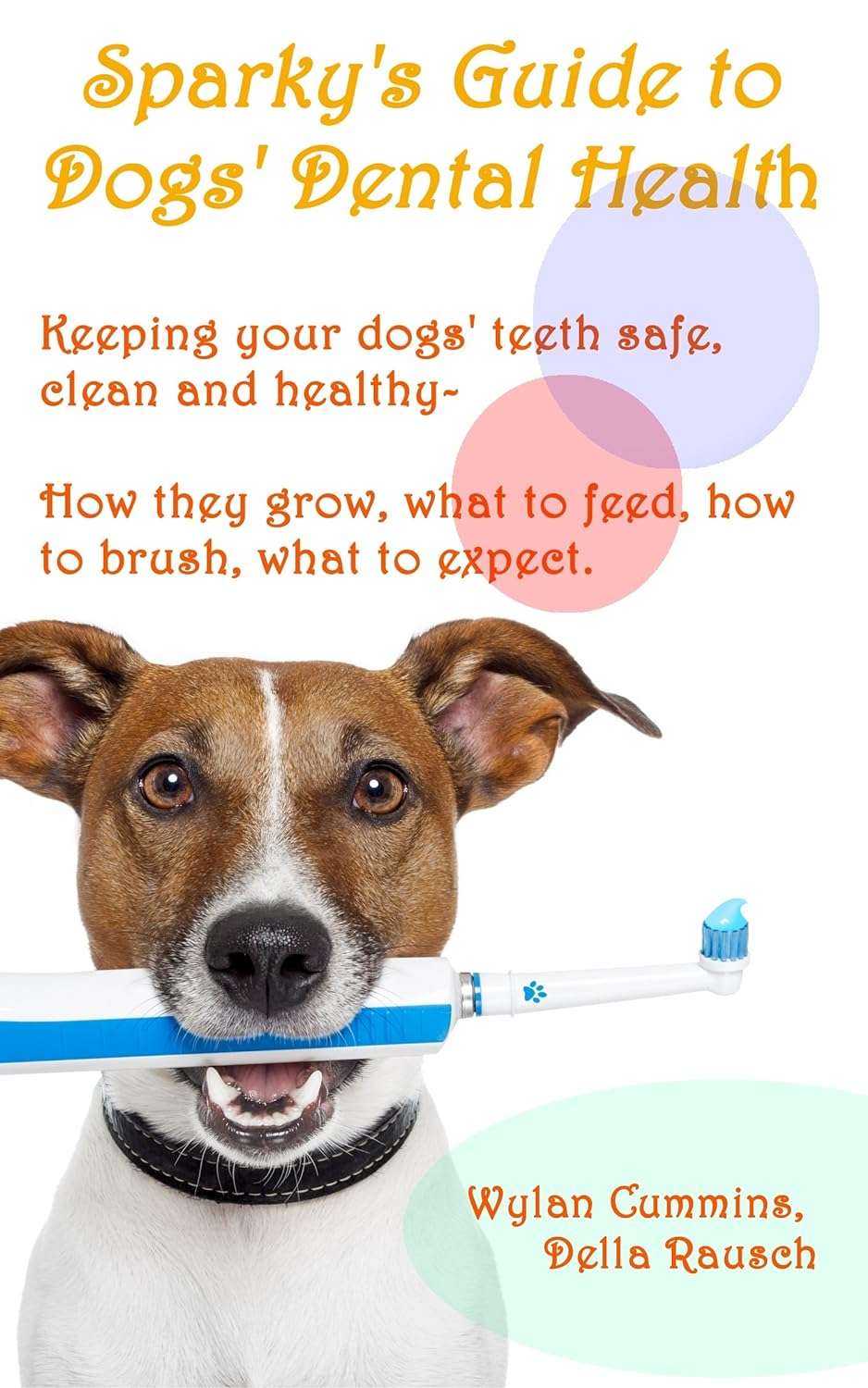
AMAZON
We are a participant in the Amazon Services LLC Associates Program, an affiliate advertising program designed to provide a means for us to earn fees by linking to Amazon.com and affiliated sites
SHOP DOG DENTAL CARE PRODUCTS