

Labrador Retrievers
Words and Images – Diana Andersen
Labrador Retrievers are among the most versatile dogs in the world, living alongside a diverse range of people in various situations. Whether they are retrieving for hunters, detecting illicit drugs, guiding the visually impaired, or simply spending time with the family, Labradors are the perfect dogs for many situations. Their strength, energy, intelligence, and trainability make them well-rounded companions. Additionally, their steady temperament and gentle nature with children make them excellent family pets. In summary, Labradors are a lot of fun and will reward your love with great affection and loyalty.
Labrador History and Characteristics
Around 1830, lesser Newfoundland dogs, also known as St. John’s Dogs, were brought to England to assist hunters in retrieving game. Fishermen in Newfoundland and Labrador (a nearby region in mainland Canada) relied on these dogs to swim fish-filled nets to shore, haul fish carts to markets, and retrieve game. Once in England, these dogs were selectively bred with other gun dog breeds to enhance their hunting and retrieving abilities. This initial breeding program led to the development of the Labrador Retriever as we know it today.
The Labrador Retriever has consistently ranked among the most popular dog breeds worldwide for many years. They are remarkable dogs, making it difficult to find any negatives about them. However, it’s important to note that they are not aggressive dogs, which means they may not be suitable as guard dogs. Nevertheless, Labradors will bark loudly at an intruder, providing a valuable warning to their owners. Any issues with the breed are more likely due to poor choices or inadequate training by the individual or family who has brought a Labrador into their lives.


ANIMALINFO PUBLICATIONS
DIANA ANDERSEN


Compatibility with Children and Other Pets
Labradors are known for their friendly and gentle nature, making them exceptionally reliable around children. As sociable dogs, they generally get along well with other pets and relish opportunities to play. However, it is essential to remember that Labradors were originally bred as game bird retrievers for hunters. As a result, smaller pets, such as chickens and other birds, might risk being “retrieved” unless you adequately train your Labrador to leave them alone.
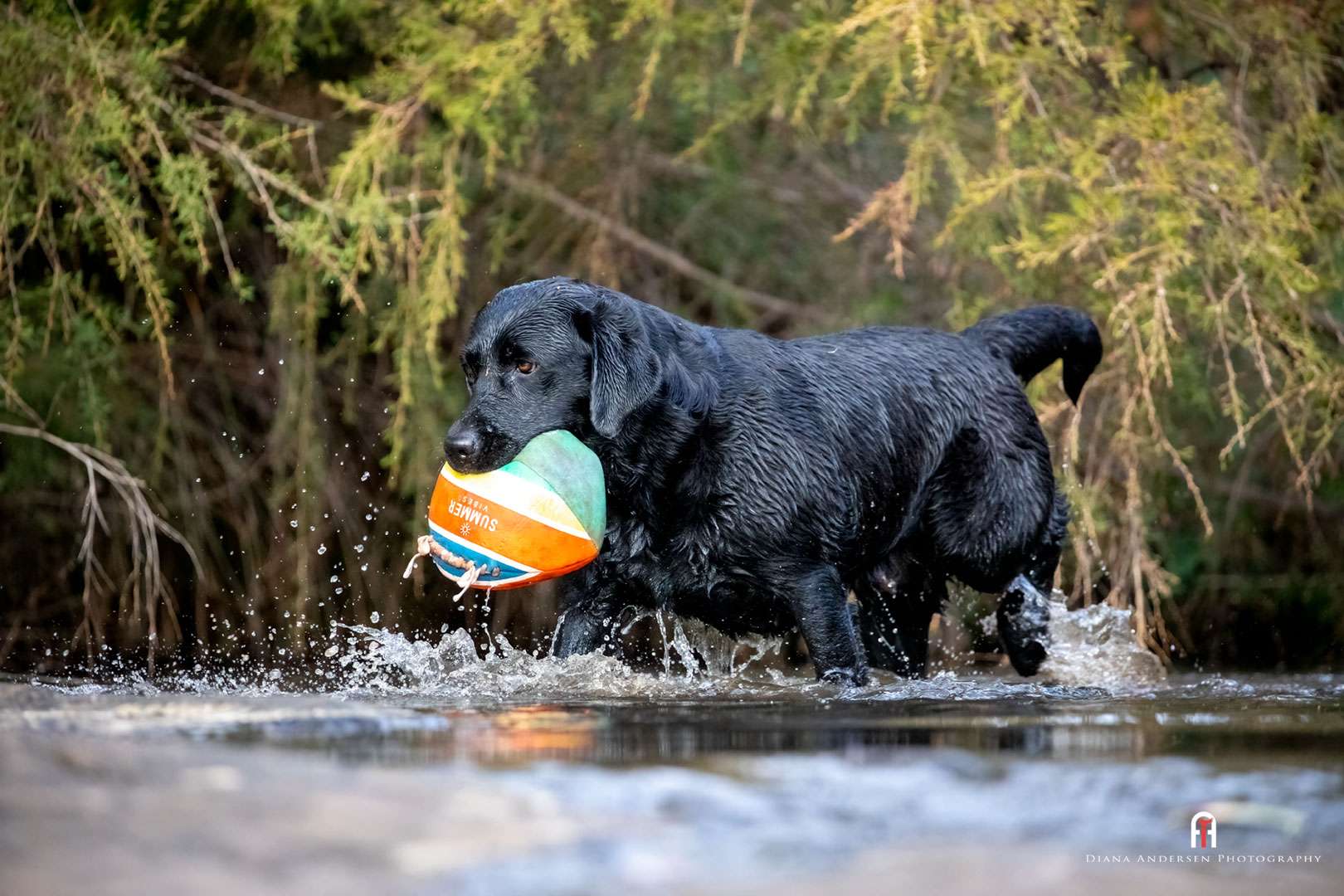
Fortunately, Labradors are highly intelligent, making it relatively easy to teach them to channel their natural retrieving instincts towards fetching balls instead of pursuing small animals. They have a strong desire to please their owners, so as long as your expectations are clear and you provide adequate training from an early age, you should not encounter significant issues.
Should I get a Labrador Retriever?
Before deciding to bring a Labrador into your family, there are several important considerations to keep in mind.
Cost
Firstly, Labradors, like any dog, can be expensive, including the initial purchase price and ongoing expenses such as high-quality food, vaccinations, worming treatments, fencing, and housing. Additionally, you should factor in the costs of dog accessories and potential veterinary expenses, including routine visits and emergency care.
Exercise
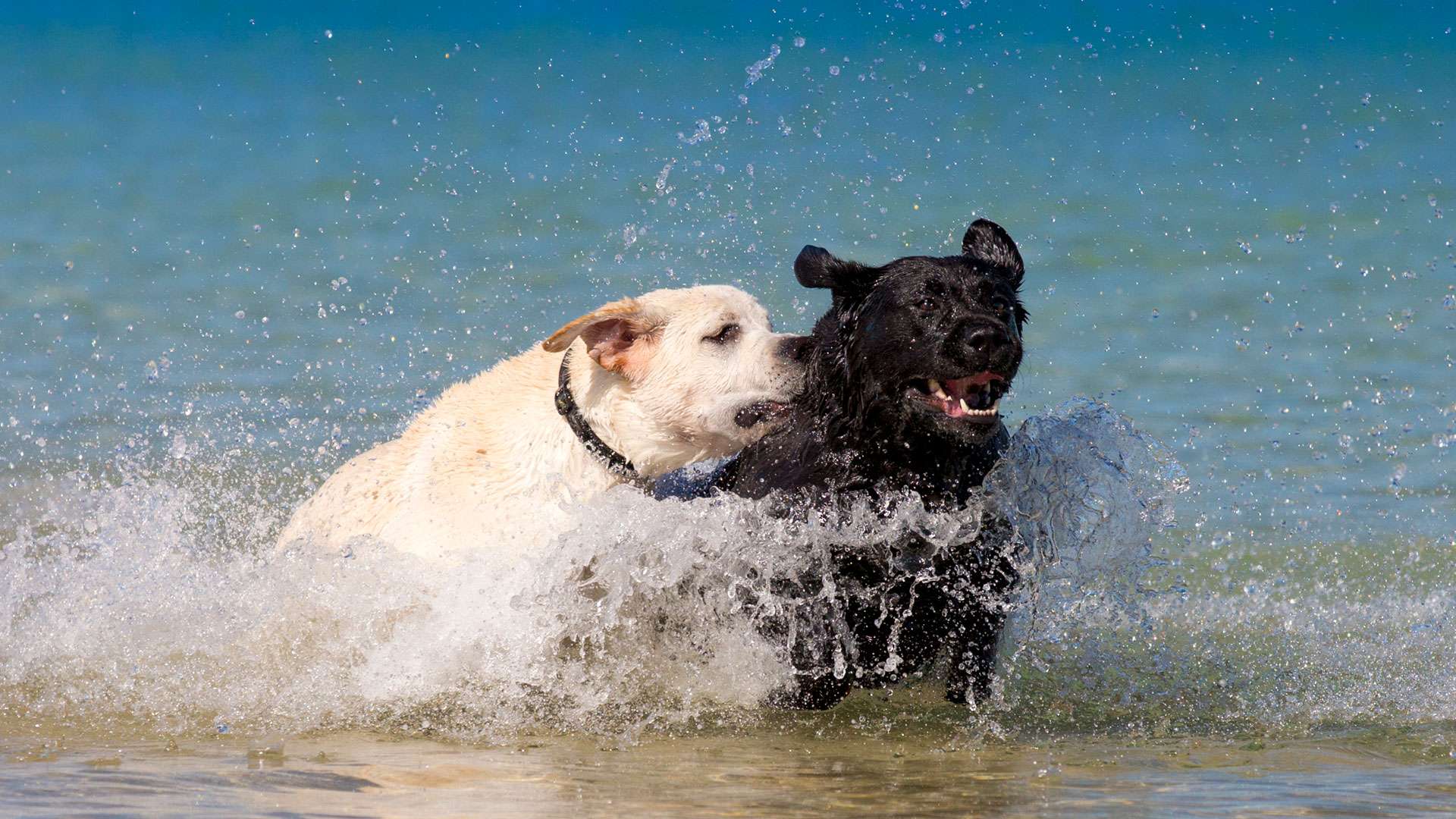
Labradors have simple needs and will thrive in any home that provides them with plenty of attention from their human family. However, because they are prone to obesity, regular exercise is essential for their health. Activities can include outings to the park, beach, or river for exercise, walks on a leash, or games of fetch in the backyard. Labradors also excel in dog sports, such as obedience, agility, and retrieving trials. No matter the type of interaction, as long as you include your Labrador in your life, you will be rewarded with a happy, loyal, devoted, and well-adjusted companion.

Behavioural Challenges
On the downside, Labradors are puppies for a very long time – at least in their hearts. They can maintain their boisterous puppy behaviour for anything up to two and a half years but may reach almost adult weight by seven months. If you can imagine what trouble a heavy, rambunctious, uncoordinated puppy could cause, you’ll agree that early training is essential for Labradors.
Labradors are natural retrievers who have a strong instinct to explore the world by putting things in their mouths. If not appropriately managed, this behaviour can lead to destructive chewing during their puppyhood. It’s important to provide acceptable chew toys whenever you catch them chewing on something inappropriate. With consistent guidance, they will learn what is permissible and what is not. Offering an alternative satisfies their chewing instinct and helps keep their teeth and gums healthy through exercise.

Labrador Health
Like other purebred dogs, labrador retrievers suffer from several genetic disorders. The breed is particularly prone to hip and elbow dysplasia and eye diseases, including retinal dysplasia and progressive retinal atrophy (PRA). Health screening for these disorders is available and should form part of any discussion when considering a purchase.
Because these disorders are common in many breeds, puppies resulting from crosses with other breeds, like Poodles, do not eliminate the risk of acquiring a puppy with health issues. However, responsible breeders are actively working to reduce the incidence of these disorders in their breeding lines. It is crucial to research and seek a responsible breeder who conducts health screenings of their breeding dogs to avoid getting a puppy that may face future medical problems.
Finding a Reputable Labrador Retriever Breeder
An impulse purchase is one of the main reasons people end up with problematic dogs in terms of health and temperament. It can be hard to resist when faced with an adorable litter of puppies. That’s why it’s crucial to research the Labrador breed and assess its suitability for your lifestyle before committing.
Bringing a Labrador Retriever into your life may be an excellent addition to your family, but only if the breed is right for you and you can meet the responsibilities of dog ownership. Finding a reputable breeder of Labradors increases your chances of getting a healthy and well-adjusted Labrador. It’s better to wait for the right puppy than make a spur-of-the-moment decision that could lead to emotional and financial challenges. If you want more information on finding a responsible breeder, you can read more here – Finding a Responsible Breeder


For those that want the statistics…
Coat and Colours
The Labrador has a water-resistant double coat. The outer coat is short, straight and feels quite coarse to the touch, while the undercoat is softer, interwoven, and
able to protect the Lab from water and cold temperatures.
Labradors come in black, yellow and chocolate. The yellows can range from light cream (sometimes referred to as white) to fox red (dark yellow), and chocolates
can vary from light to dark. Some Labradors may also have a small white spot on the chest. There is also a silver colour that is sometimes available. This is likely to be a
form of the chocolate. However, there is also some suggestion that it may be due to crossing with a Weimaraner
Weight: A fit working Labrador bitch may weigh 25-32 kg (55-70 pounds) and a
dog 27-36 kg (60-80 pounds).
Height: Labrador bitches may be about 54-60 cm (21 ½ – 23 ½ inches) tall at the shoulder, and males 57-62 cm (22 – 24 ½ inches). These ranges allow for variation between countries regarding the ideal height for the show ring. A Labrador at the top end of the height scale would be perfectly acceptable in America but would probably not be competitive in England.
Labrador Life Expectancy: 10-12years


Shop Stock Images
High-quality stock images for personal use as wall art, gifts, and greeting cards. Licences available for commercial use, including websites, publications and commercial print runs.




Related Reading



SHOP LABRADOR GIFTS

AMAZON
We are a participant in the Amazon Services LLC Associates Program, an affiliate advertising program designed to provide a means for us to earn fees by linking to Amazon.com and affiliated sites
DOG BOOKS